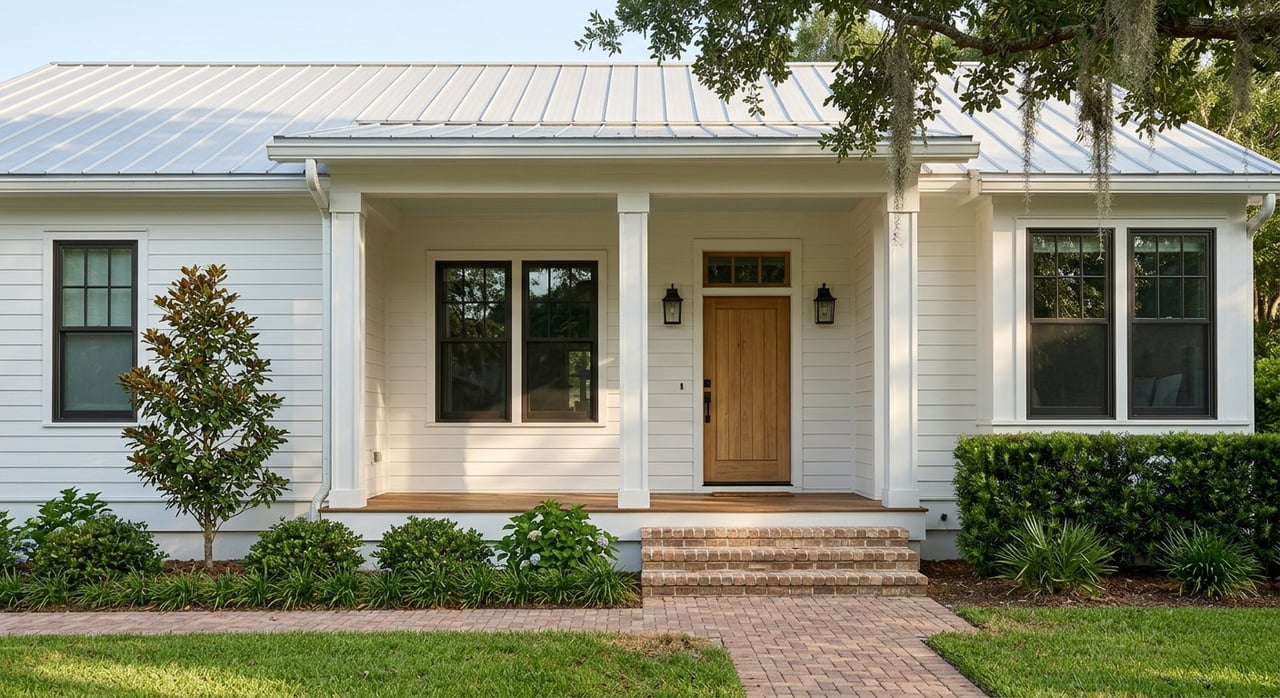
Should You Choose Mount Pleasant New Construction or Resale?
June 18, 2026
June 18, 2026
Trying to choose between a brand-new home and an established one in Mount Pleasant? That decision can feel bigger here than it does in many other markets because land is limited, neighborhood character varies widely, and location can shape your daily routine as much as the house itself. If you are weighing both options, this guide will help you compare the real tradeoffs so you can make a smart move with both lifestyle and long-term value in mind. Let’s dive in.
Mount Pleasant is a high-demand market with a July 1, 2025 population estimate of 95,469, up from 90,801 in the 2020 Census. The town also has a median household income of $124,755 and a median owner-occupied home value of $748,500. In a place with strong demand and a limited land base of 49.53 square miles, the difference between new construction and resale can be significant.
The market also shows signs of stability. The owner-occupied housing rate is 73.6%, and 84.8% of residents lived in the same home one year ago. That matters because when you buy here, you are not just comparing floor plans or finishes. You are often choosing between a newer home in a more recently developed area and an established home in a neighborhood with deeper roots.
New construction in Mount Pleasant usually starts with one big advantage: current building standards. The town states that applications made after January 1, 2023 must be designed to the 2021 IRC and IBC codes, and the Building Inspection Division reviews residential construction plans. For you, that often means a newer baseline for structure, mechanical systems, and site planning.
That benefit goes beyond what you can see on a showing. Mount Pleasant also requires single-family stormwater management and tree-preservation permitting before clearing or grading work that disturbs a lot. In practical terms, many new homes are being built with more current attention to drainage and site conditions than much older properties.
In a coastal market, flood review is not optional. Mount Pleasant says it experiences both localized flooding and storm-surge flooding, participates in the National Flood Insurance Program, and holds a Class 6 CRS rating that translates to a 20% flood-insurance premium reduction for residents. That makes elevation, drainage, and flood-zone review important whether you buy new or resale.
New construction often reflects newer flood rules. The town says new FEMA flood maps and flood-ordinance revisions became effective on January 29, 2021, and the design flood elevation changed from Base Flood Elevation plus 1 foot to plus 2 feet. It also notes that elevation certificates are required for structures built in Special Flood Hazard Areas.
This is one of the strongest arguments for newer homes in Mount Pleasant. A new build is not just new finishes and appliances. It is often a home shaped by more recent flood, elevation, and stormwater requirements.
One of the biggest misconceptions in Mount Pleasant is that “new construction” means one type of home. In reality, it can range from townhomes to large custom homesites. That range matters because your decision may be less about age and more about the kind of property you want.
Carolina Park is a useful example. The community describes itself as a 1,700-acre master-planned community, and its Riverside enclave includes 545 acres with custom and luxury homesites ranging from 1/4 to 1/2 acre. Carolina Park also says Riverside’s last custom home went under contract in June 2026, which shows how quickly premium new-construction opportunities can reach buildout here.
At another point on the spectrum, Carolina Park’s Preserve Estate Lots were a private offering of four lots ranging from 3 to just over 5 1/2 acres, and they are sold out. The same community also includes The Towns at Carolina Park, which advertises three-bedroom townhomes from 1,029 to 1,302 square feet with prices from $339,900 to $419,900. In other words, “new” can mean very different things depending on your goals.
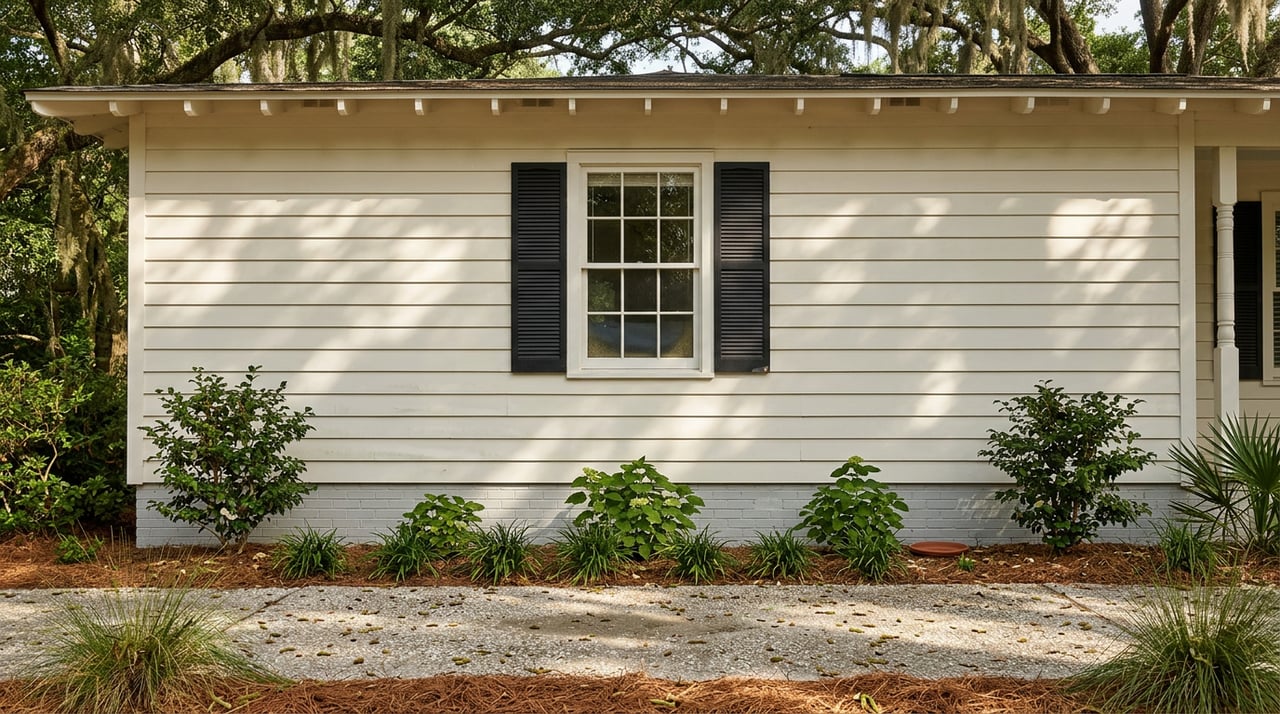
Resale homes in Mount Pleasant often appeal for reasons that are hard to recreate. Location, mature landscaping, and neighborhood identity are usually the biggest draws. In a land-constrained town, those features can carry real weight over time.
Established neighborhoods also tend to feel more settled. Streetscapes, trees, setbacks, and the overall rhythm of the neighborhood are already in place. If you care about living in a place with a strong sense of character from day one, resale may be the better fit.
The Old Village Historic District reflects some of Mount Pleasant’s oldest residential character. The town says the district’s special character dates back to 1759 and includes both small and large houses, varied front yards, and mature historic streetscapes. For buyers, that creates an experience that newer neighborhoods usually cannot duplicate.
There is also a preservation framework that shapes ownership there. Changes in the Old Village Historic District are reviewed by the Historic District Preservation Commission, and the guidelines are intended to protect and enhance the architecture of the area, encourage harmonious growth, and preserve visible reminders of the town’s historical and cultural heritage. If you value authenticity and place, that framework may feel like an advantage.
Not every established neighborhood is historic. I’On is a mature planned community that the town describes as an award-winning village built on a “live, work, play” concept, with walkable offices, eateries, and open space. The community also highlights walking and biking access to amenities, while club members have access to seven clay tennis courts and three outdoor pools.
I’On also shows that resale can come with detailed design rules. Its guidelines spell out lot types, widths, setbacks, build-to zones, and coverage limits. That structure can help preserve the neighborhood’s look and walkability, but it can also mean less flexibility if you want to make major exterior changes later.
Park West offers a different version of established living. Its master association describes it as a professionally managed planned community with diverse home styles and controlled development standards, plus amenities such as pools, a covered playground, walking and bike trails, a crab and fishing dock, six lit tennis courts, and a clubhouse. For some buyers, that can be a comfortable middle ground between newer development and a fully mature neighborhood.
In Mount Pleasant, the question is usually not which option is better in general. The better question is which set of tradeoffs fits your priorities. That is where a clear decision framework helps.
A home can look perfect on paper and still feel less right if the daily drive does not work for you. Mount Pleasant’s commute patterns are corridor-driven, and the town says adaptive traffic-signal technology has been installed on US 17 and Coleman Boulevard. It also notes that the highest number of vehicle accidents in town occur on those main roads partly because of heavy traffic.
Highway 41 is another key route because it connects US 17 to Mount Pleasant communities and I-526. The town’s transportation work reinforces how important these corridors are to daily life. All American Boulevard opened in November 2025 as a frontage road to US 17 to improve congestion and interconnectivity, and the town’s 2026 Safe Streets and Roads for All page shows a $15.78 million grant supporting safety and transportation improvements through 2030.
For you, that means neighborhood choice is also a time-and-routine choice. A newer home farther out may offer updated systems and amenities, while a resale home in a more central or established location may give you a different kind of convenience. Neither is automatically better, but the tradeoff should be intentional.
Even if you plan to stay for years, it helps to think ahead. In Mount Pleasant, some of the strongest long-term resale stories are likely to come from neighborhoods with limited supply and strong identity, or from well-executed planned communities that are nearing buildout. That does not guarantee future results, but it is a practical way to think about durability.
Location-fixed areas like Old Village and mature communities like I’On have identity that is difficult to duplicate. At the same time, newer communities that combine updated systems with a clear neighborhood plan can also hold appeal, especially as available land becomes scarcer. The key is to buy with both your present needs and your eventual exit in mind.
If you are deciding between new construction and resale, ask yourself a few direct questions:
In Mount Pleasant, both paths can make excellent sense. New construction often gives you a cleaner maintenance runway and more current site engineering. Resale often gives you a location and neighborhood feel that simply cannot be built again.
If you want help sorting through that choice with a clear, local, investment-minded lens, Hayley Smith can help you compare neighborhoods, property types, and long-term tradeoffs so your next move fits both your life and your goals.
Stay up to date on the latest real estate trends.
Discover how Hayley Smith can guide you through every step of buying or selling your home. Let’s achieve your real estate goals together with expertise and care.