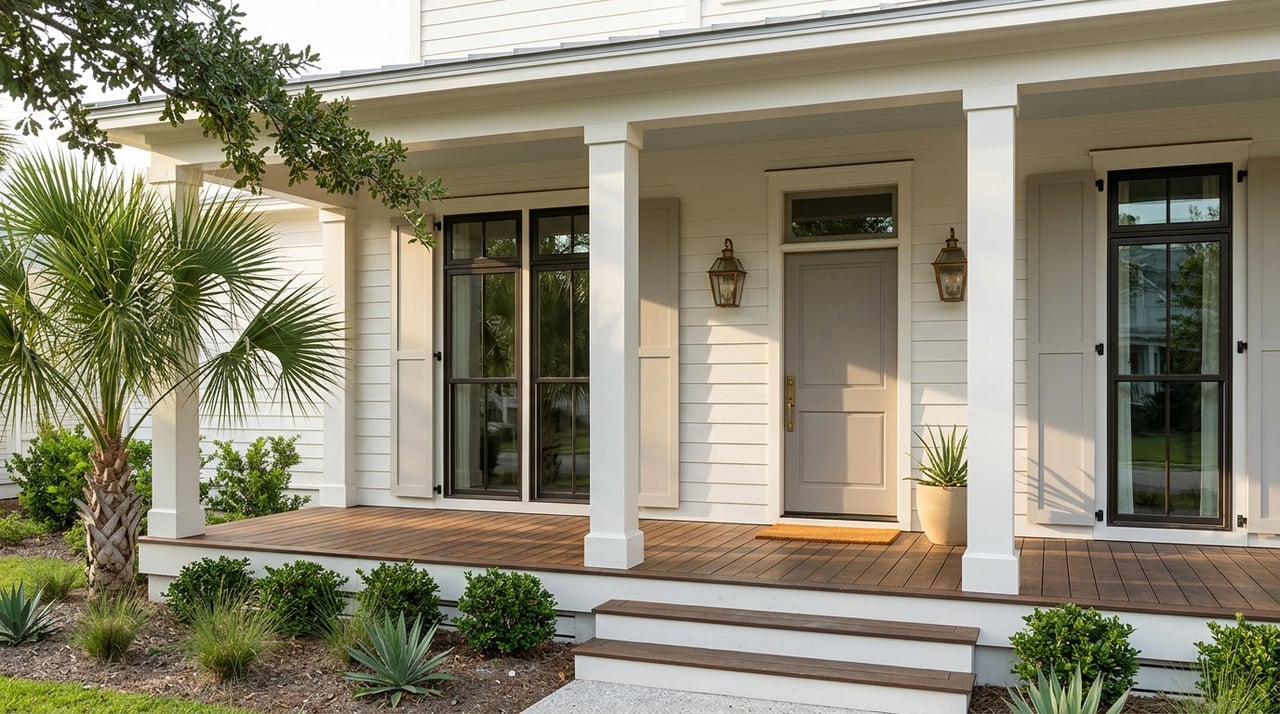
Isle of Palms Rental Strategy for Personal Use and Income
July 2, 2026
July 2, 2026
If you are thinking about buying on Isle of Palms, one question tends to shape everything else: How much do you want to rent the home, and how much do you want to enjoy it yourself? On this island, that balance matters more than many buyers expect because peak rental demand, local rules, flood risk, and seasonal use all pull on your calendar at the same time. This guide will help you think through the tradeoffs clearly so you can choose a property and a plan that fit both your lifestyle and your numbers. Let’s dive in.
Isle of Palms is not a place where you can treat rental use as an afterthought. The city notes that most property is in or very near a flood plain, and flood coverage requires a 30-day waiting period. That means insurance planning, carrying costs, and storm readiness should be part of your ownership strategy from the beginning.
At the same time, the city actively oversees short-term rentals. Local rules include licensing, occupancy limits, parking standards, contact requirements, and a five-complaint revocation standard for founded complaints of unlawful activity in a calendar year. In other words, your home needs to work not just as a beach escape, but as a well-managed property if you plan to rent it.
Seasonality adds another layer. Spring and summer are the island’s strongest beach weeks, while winter is slower, even though it remains active. For many owners, the biggest tension is simple: the weeks you most want to use the home are often the same weeks that can drive the strongest rental demand.
Before you compare homes, get honest about what success looks like for you. Some buyers want a second home that helps offset costs. Others want a more active rental property with limited personal use. Both approaches can work, but they usually point to different property choices.
If your top priority is family use, you may care more about privacy, storage, layout, and ease of hosting. If your top priority is rental efficiency, you may care more about guest capacity, parking, simpler maintenance, and a calendar that stays as open as possible during peak periods.
A smart purchase usually starts with a clear answer to a few practical questions:
Isle of Palms has a broad rental mix, not a one-size-fits-all inventory. The island stay market includes homes, cottages, condominiums, and resort-style accommodations. The city’s 2023 short-term rental analysis reported 1,850 licensed short-term rentals across 4,610 dwellings, which is about 40 percent of the island’s dwelling stock.
That same city analysis found the highest licensed share in condominiums, followed by duplex and triplex units and townhouses, while single-family homes also made up a major part of the licensed rental base. That tells you rental use is common across multiple property types, not limited to one segment of the market.
Condos and townhome-style properties can appeal to buyers who want a more streamlined ownership experience. Based on the island’s rental mix, these property types may be easier to keep rental-ready with less personal maintenance. They can be a practical fit if you want a property that supports guest turnover without as much hands-on upkeep.
They may also suit buyers who are comfortable sharing some of the tradeoffs that come with attached living or resort-style environments. If your goal is smoother operations and more consistency, this category deserves a close look.
Single-family homes often offer more privacy and flexibility for personal enjoyment. If you picture long family stays, outdoor living, or hosting your own guests comfortably, a detached home may better match that lifestyle.
That said, single-family rentals come with an important city rule. On Isle of Palms, a single-family home must be rented in its entirety. You cannot assume you can keep part of the home for yourself and rent individual rooms or shared rooms.
The right property is not just the one you love. It is also the one that works within Isle of Palms rules for rental use.
If you rent a residential unit short term, the city requires a short-term rental business license. The application process includes a Rental Revenue Affidavit, end-of-year rental revenue statements from property managers or booking sites, and a fire-safety acknowledgment for both new licenses and renewals.
This matters because your rental setup needs to be organized from the start. If you prefer a very light-touch ownership experience, you should think carefully about who will handle documentation and annual filings.
The city states that overnight occupancy is typically two people per bedroom plus two, with a maximum of 12 overnight guests, excluding children under age two. At any time, total occupancy cannot exceed twice the overnight occupancy or 40 people, whichever is less.
Owners must also provide a 24/7 contact number, and the owner’s representative must be able to be on site within one hour. That requirement alone shapes how realistic self-management may be, especially if you do not live nearby.
Parking can make or break rental functionality on a barrier island. The maximum number of vehicles is tied to bedroom count and occupancy, and renters need hangtags for parking along the right-of-way adjacent to the house.
If off-street parking falls short, owners may apply for up to four portable parking permits per year at $15 each for use in the Resident Parking District. Before you buy, it is worth looking beyond square footage and asking whether the parking setup actually supports your intended guest count.
For stays of 30 days or less, the city lists a combined 14 percent tax burden that includes state, county, and city taxes and fees, including the county accommodations fee, city accommodations tax, and beach preservation fee. The city also states that even if an agent collects and remits those taxes, the owner remains ultimately responsible.
License fees are also based on prior-year gross income. The fee is $450 for the first $2,000 earned and $4.60 for each additional thousand, with payment due by April 30.
Property tax treatment is another key piece of the math. The city says that if the property does not qualify as your primary legal residence, it is assessed at 6 percent of fair market value for property tax purposes. The city also notes that personal property used to furnish rental units is taxable and must be reported annually between January 1 and April 30.
On Isle of Palms, owner enjoyment and rental income often compete most directly during the best beach weeks. Spring and summer conditions support strong visitor demand, and the city’s planning documents also point to seasonal pressure on staffing, traffic, parking, and beach access.
That does not mean you cannot have both personal use and rental income. It does mean you should go in with a calendar strategy, not a vague hope that everything will somehow fit.
A useful framework is to decide in advance which weeks are non-negotiable for your household. Then evaluate the likely income tradeoff of holding those weeks back from the rental calendar. This approach tends to lead to better decisions than trying to maximize both goals at once.
Owning on Isle of Palms means planning for more than bookings. The city identifies storm surge and hurricanes as the greatest flooding risks, and it states clearly that homeowner insurance does not cover flooding. Separate flood insurance is required, and the 30-day waiting period means last-minute planning is not a safe strategy.
The city also notes that barrier-island evacuation may be required with 48 to 72 hours of notice. If you plan to rent, it is wise to think through not just insurance, but also hurricane procedures, possible downtime, and guest communication during weather events.
Beach-season logistics also affect the ownership experience. The city highlights parking and traffic management as ongoing priorities, and visitors are encouraged to plan carefully and avoid peak traffic hours. For owners who value relaxed personal use, these real-world frictions matter almost as much as the home itself.
A well-bought second home usually fits your calendar, your compliance obligations, and your long-term financial plan. Before moving forward, bring these questions to your real estate advisor, property manager, and tax advisor:
In my experience, the best Isle of Palms decisions come from clarity, not compromise. If you want a home that feels easy to enjoy, choose a property that supports your personal habits without constant turnover stress. If you want stronger rental performance, choose a property whose layout, parking, and management plan make that operation realistic.
The sweet spot is often a home that can support both goals without fighting you at every turn. On Isle of Palms, that usually means matching your calendar, property type, compliance needs, and cost structure before you ever make an offer.
If you want help thinking through the lifestyle side and the investment side together, Hayley Smith can help you build a smart Charleston-area buying strategy around how you actually plan to use the property.
Stay up to date on the latest real estate trends.
Discover how Hayley Smith can guide you through every step of buying or selling your home. Let’s achieve your real estate goals together with expertise and care.