How To Evaluate Historic Homes In Downtown Charleston
May 28, 2026
May 28, 2026
Buying a historic home in downtown Charleston can feel equal parts exciting and intimidating. You are not just evaluating square footage and finishes. You are also weighing preservation rules, flood exposure, repair needs, and the long-term value of original architectural details. If you want to make a smart decision without losing sight of charm and livability, this guide will help you know what to look for before you make an offer. Let’s dive in.
Before you focus on paint colors or kitchen updates, confirm where the home sits within Charleston’s historic framework. The city maintains historic resource surveys and inventories that help guide review in the Old & Historic District, Old City District, and survey areas on the Upper Peninsula. That matters because the property’s location can affect what changes may require review later.
For a buyer, district context is not just a paperwork detail. It shapes renovation flexibility, approval timelines, and how the home’s character fits into the surrounding streetscape. If you are comparing two similar homes, the one with clearer documentation and fewer unknowns around approvals may offer a smoother path.
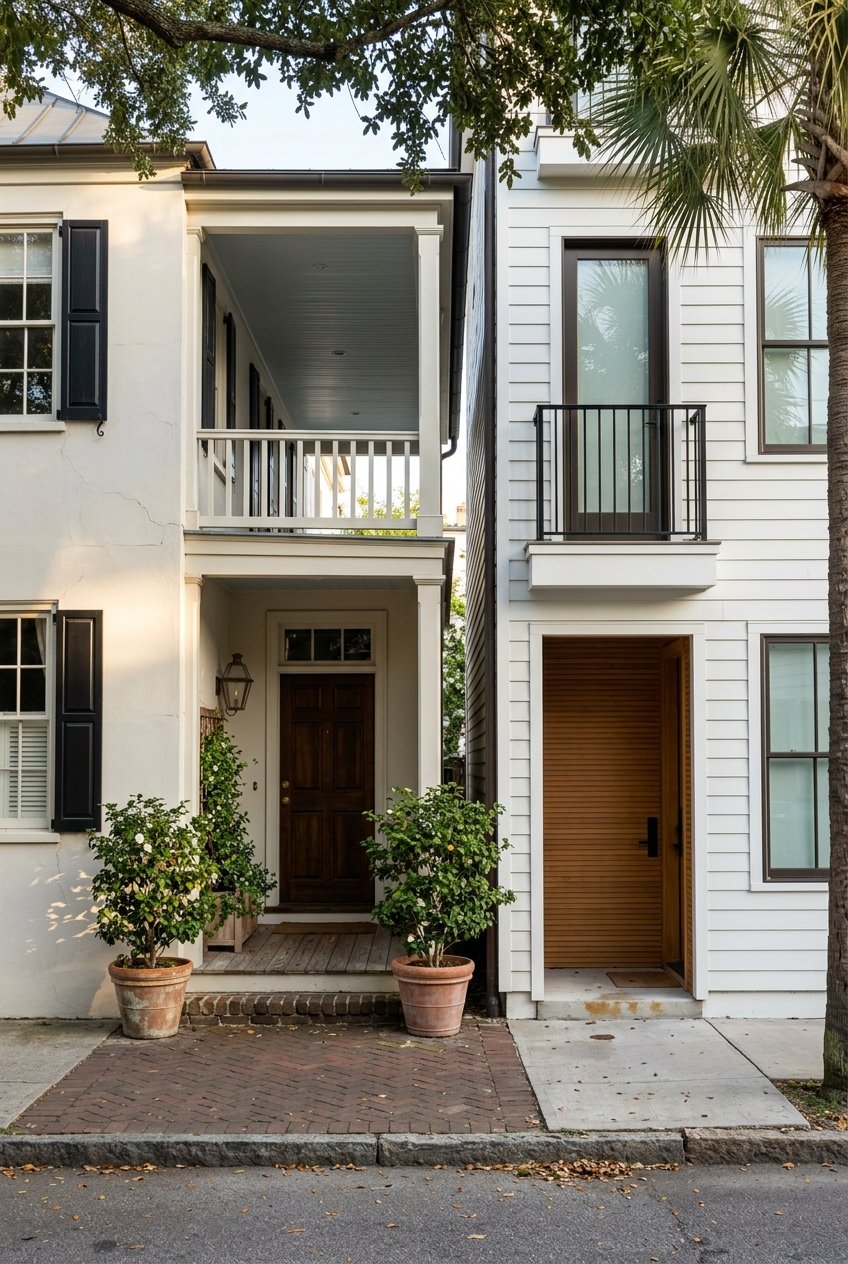
On the peninsula, one of the most recognizable forms is the Charleston single house. City appraisal material describes it as a home with a main body and a one- or two-story piazza, simple massing, vertically aligned windows, and a gable-end roof. When you understand that basic form, it becomes easier to spot whether a house still reads as historically intact.
You may also see Victorian, Queen Anne, Italianate, Federal-era, and double houses in downtown Charleston. These homes can include details such as turned columns, decorative gables, tall narrow windows, projecting bays, stucco-on-brick construction, quoining, and symmetrical street-facing facades. The key is to notice whether those defining features remain in place or have been removed over time.
A fresh kitchen or new bathroom can be appealing, but historic value often lives in the original fabric of the home. Charleston’s guidelines emphasize repair over wholesale replacement and treat features like decorative trim, windows, brackets, and door surrounds as character-defining. In other words, a house with intact details and compatible repairs may be the stronger long-term buy than one with polished finishes but a stripped-down exterior.
This is where your evaluation needs to go deeper than staging. You want to understand what is original, what has been replaced, and whether updates respect the home’s historic proportions and materials. A clean renovation is not always a thoughtful one.
Historic homes often tell their story at the roofline. Look for altered roof shapes, missing materials, signs of leaks, and evidence of poor ventilation. Preservation guidance notes that roof sheathing should have proper venting to help prevent condensation and water intrusion.
You should also pay attention to any signs of insect activity or long-term moisture problems in attic areas. A roof that has been changed in ways that diminish the home’s original character can affect both appearance and future repair decisions. For downtown Charleston buyers, roof form matters aesthetically and practically.
Moisture is one of the biggest threats to older buildings. If downspouts, grading, and runoff are not directing water away from the foundation, you can end up with damp lower levels, rot, and masonry deterioration. In a coastal city like Charleston, water management deserves close attention from day one.
As you tour a property, notice staining, soft wood, musty smells, or visible settlement concerns near areas where water may collect. Even a beautiful historic home can become a costly project if drainage has been ignored. Moisture issues are often more important than cosmetic imperfections.
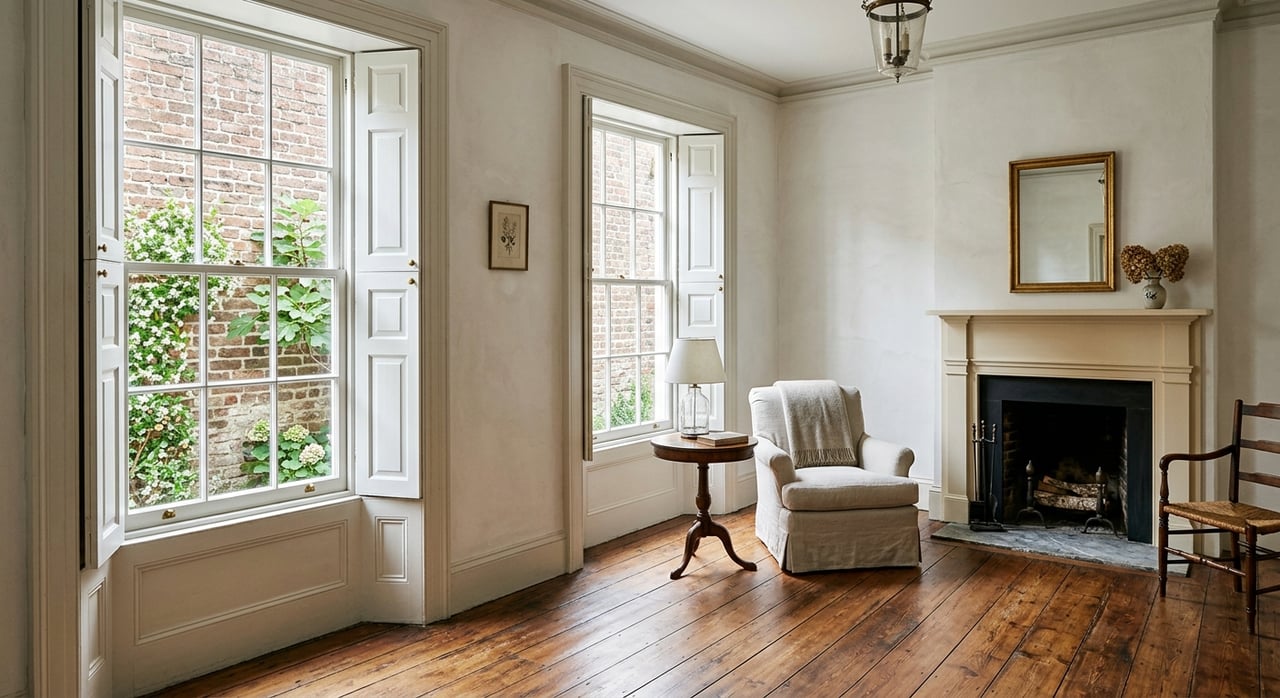
Windows and doors are major value indicators in a historic home. Charleston’s replacement-window policy does not allow vinyl or vinyl components, and changes in material, profile, or grid pattern require approval. That makes original or appropriately matched windows especially important.
When you evaluate a home, ask whether the historic sash, muntins, and openings are still present and repairable. Preservation guidance favors repair measures such as glazing repair, weatherstripping, and caulking before replacement. If windows have already been changed, you want to know whether that work was compatible and properly approved.
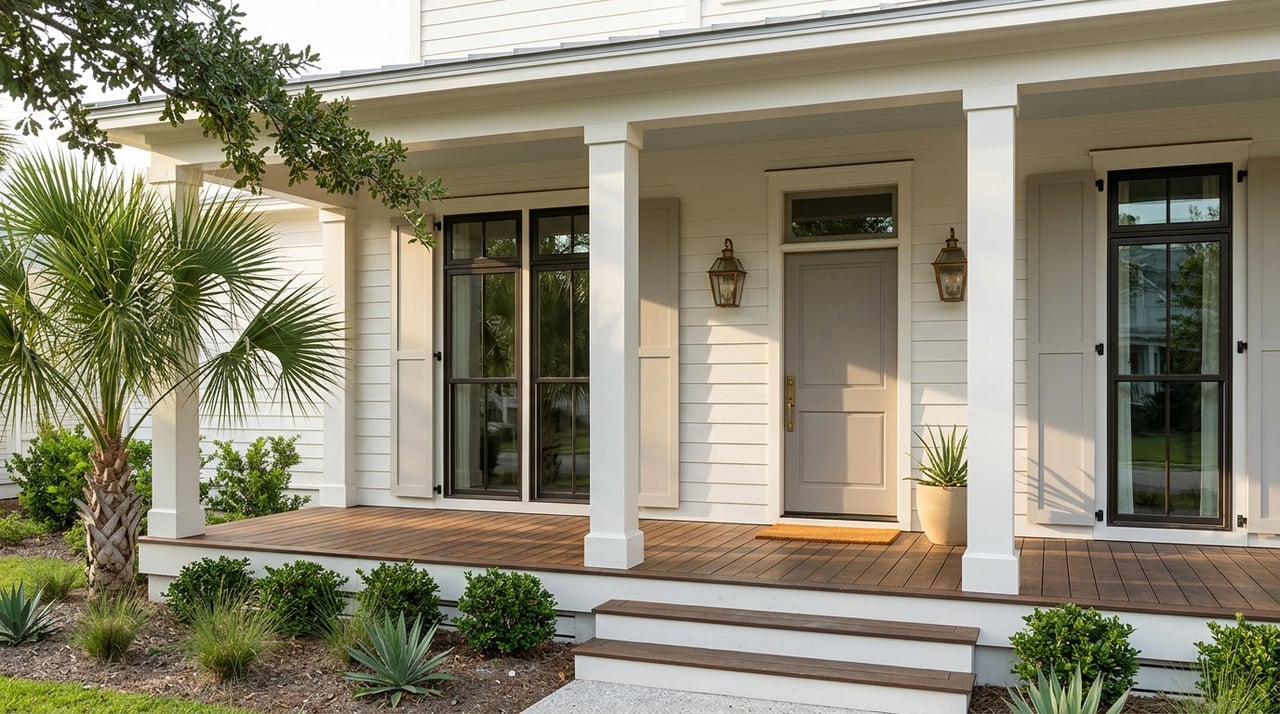
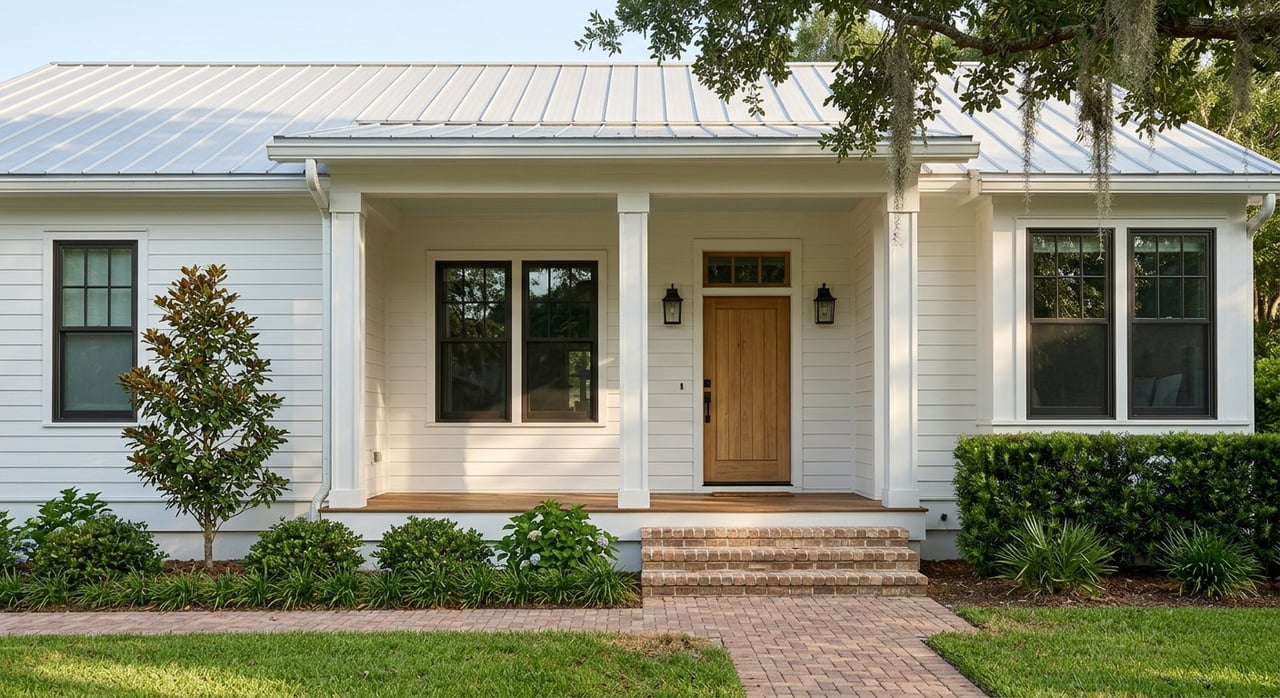
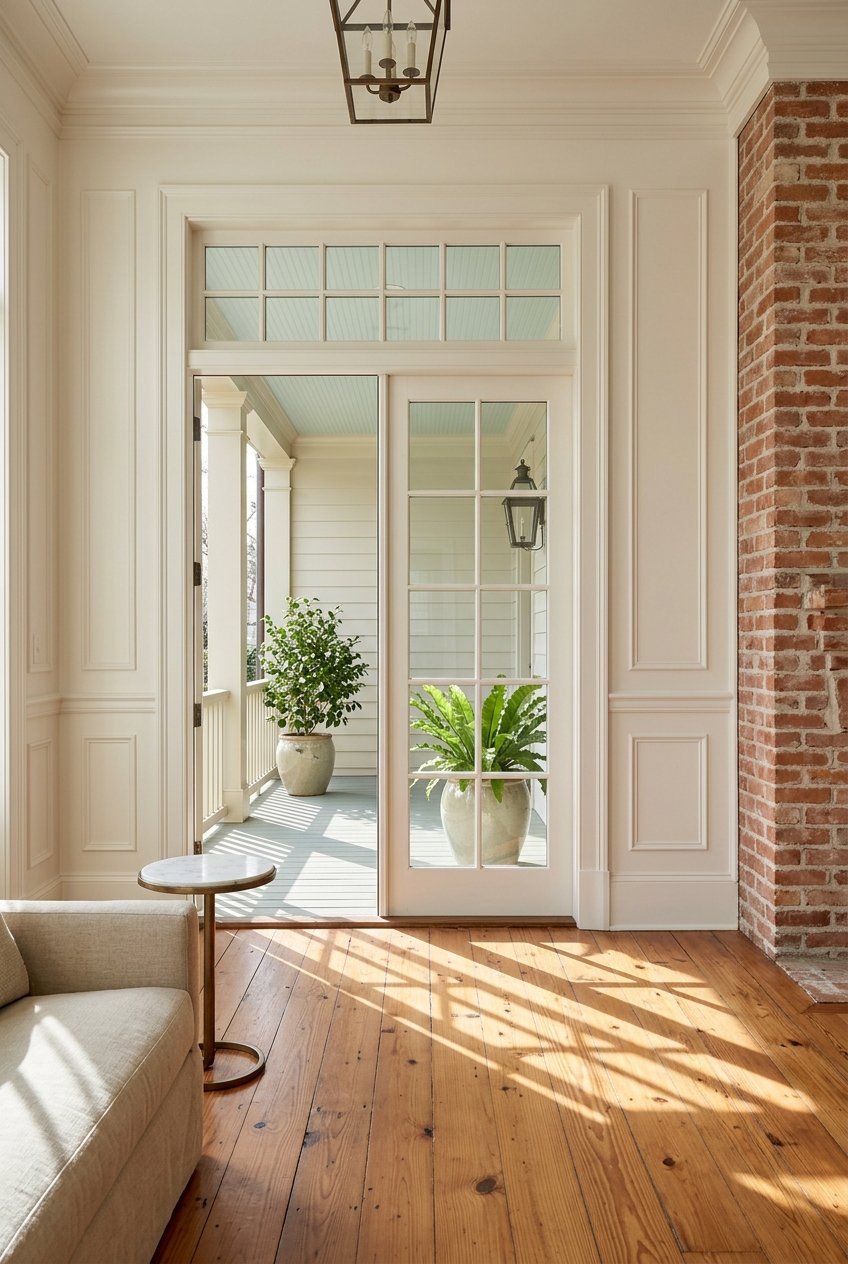
In downtown Charleston, piazzas, porches, masonry, and exterior trim do a lot of the architectural heavy lifting. These are among the features that define how a home contributes to the street and to its long-term appeal. Charleston’s standards favor preserving distinctive materials, finishes, and craftsmanship.
Walk the exterior slowly and look for missing trim, simplified columns, patched masonry, or details that appear out of scale. A home that still has its original proportions and visible craftsmanship often holds value better than one that has been heavily altered. These details are not small. They are part of what makes historic Charleston real estate so enduring.
Older homes need modern systems, but the best updates are the ones that improve comfort without creating new building issues. Check for gaps around plumbing and electrical penetrations, as well as loose areas around windows and doors. Air leakage is common in historic homes, but preservation guidance also warns against sealing a building too tightly because ventilation still matters.
That balance is important when you think about livability. You want a home that feels comfortable and functions well, while still respecting how the structure was built. Smart upgrades tend to support both preservation and daily use.
One of the most important parts of evaluating a historic home is understanding what you can and cannot change. In Charleston’s historic districts, the Board of Architectural Review reviews new construction, alterations, and renovations visible from the public right-of-way. The board also reviews certain demolitions, including any demolition within the Old and Historic District.
For buyers, this matters before you write an offer, not after. Many common plans, such as replacing windows, changing roofs, modifying piazzas or porches, adding mechanical equipment, installing solar panels, or elevating a structure, can trigger review. A project that seems simple at first glance may involve approvals, timing, and design constraints.
A well-documented historic home is usually easier to evaluate. Ask for prior permits, prior BAR approvals, and any survey or inventory record tied to the property. The city’s Historic Resources Survey & Architectural Inventory exists to identify buildings that should be preserved and to guide BAR decisions.
If records are incomplete, that does not automatically mean something is wrong. It does mean you should slow down and clarify what work was done and whether approvals were obtained. Good documentation reduces uncertainty, and uncertainty can be expensive.
In downtown Charleston, flood risk should be part of your offer strategy. The city notes that local flood hazards can come from rivers, tidal creeks, and the Atlantic Ocean, and FEMA’s Map Service Center is the official source for effective flood maps and related documents. The city also provides GIS tools that include flood maps, tide tools, and road-closure information.
A historic home may be architecturally special and still require careful flood review. Pull the applicable flood maps and ask the seller for any elevation certificate or Letter of Map Change documents they have. You should also understand whether past or future elevation work could involve BAR review.
The best historic-home purchases usually balance originality, documentation, and livability. Preservation guidance emphasizes understanding the property’s type, appearance, and condition before evaluating significance or future work. In practical terms, that means looking at both the beauty you can see and the integrity you can verify.
Homes with intact original proportions, windows, roof form, piazzas or porches, and trim often stand out over time. Compatible repairs and a solid maintenance history generally support long-term value better than overly modernized exteriors or stripped-down details. If you are buying with both lifestyle and resale in mind, this is where a disciplined evaluation pays off.
Charleston’s preservation materials also note that historic buildings can be inherently sustainable. Features like south-facing piazzas can help reduce solar load and channel breezes. For you as a buyer, that means a well-preserved historic home may offer both character and comfort when its original features have been respected.
Before you make an offer on a historic home in downtown Charleston, keep this checklist in mind:
Historic homes can be wonderful places to live and strong long-term assets, but only when you buy with clear eyes. If you want help evaluating architectural character, renovation risk, and resale strength at the same time, working with an advisor who understands both Charleston lifestyle and property fundamentals can make the process much more confident.
If you are considering a historic home in downtown Charleston, Hayley Smith can help you build a smart buying strategy around preservation, livability, and long-term value.
Stay up to date on the latest real estate trends.
Discover how Hayley Smith can guide you through every step of buying or selling your home. Let’s achieve your real estate goals together with expertise and care.