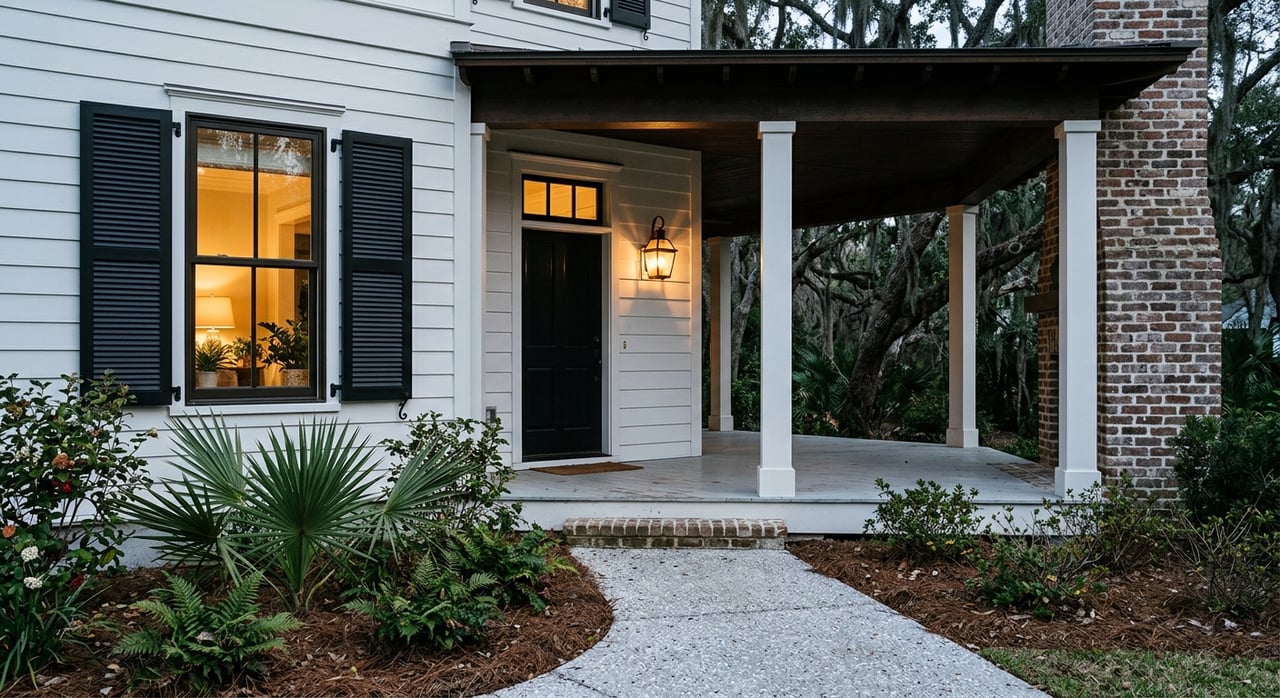
Sullivan's Island Or Isle Of Palms For A Quiet Retreat
May 14, 2026
May 14, 2026
If your idea of a coastal escape includes quiet streets, easy beach days, and a slower daily rhythm, the choice between Sullivan’s Island and Isle of Palms matters more than you might think. Both islands offer beautiful access to the water and close proximity to Mount Pleasant and downtown Charleston, but they feel different once you look past the sand. If you are trying to decide which one better fits a peaceful retreat, this guide will help you compare the lifestyle tradeoffs with more confidence. Let’s dive in.
When you are choosing a barrier-island home, the overall character of the town often shapes your day-to-day experience more than any single property feature. That is especially true when your priority is peace, privacy, and a residential setting.
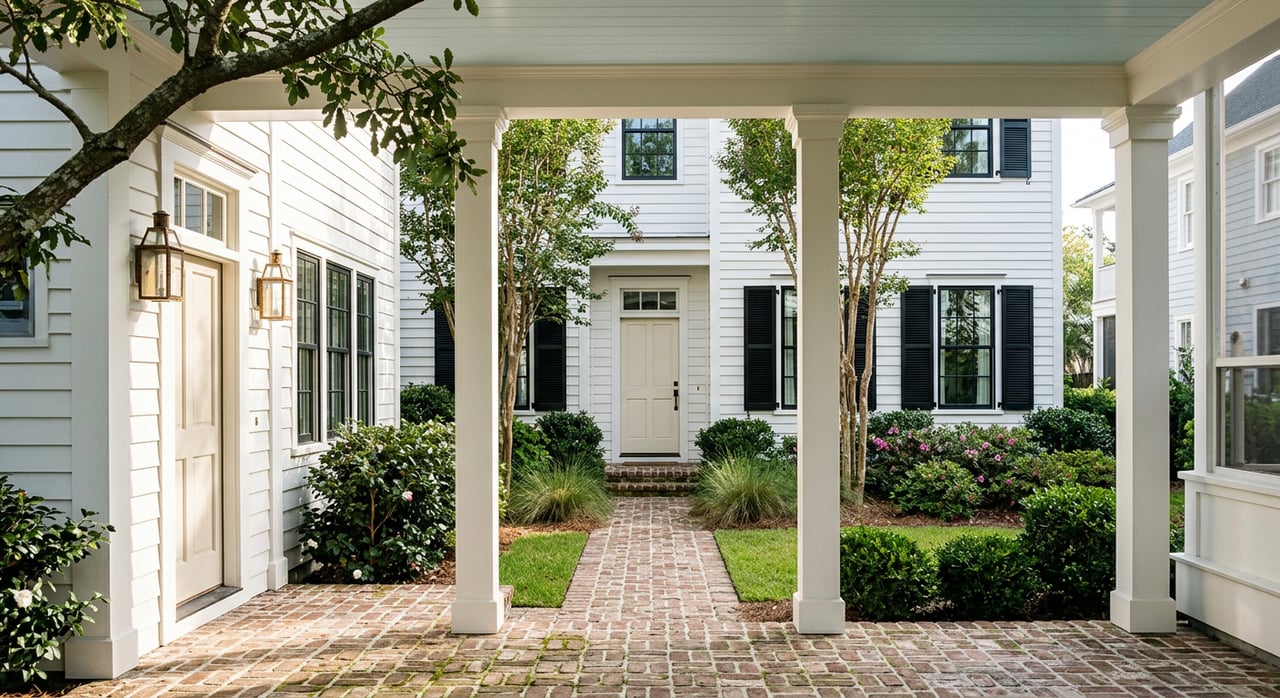
Sullivan’s Island is the clearer fit if you want a town that strongly protects its residential character. According to the town’s land-use plan, the island is informal, open, and residential in scale, with a small commercial area that acts as a community focus.
The town has also limited uses that would shift the island away from that residential feel. Its planning materials note protections against hotels, bed-and-breakfast uses, timeshares, fractional ownership, and short-term rentals that would detract from its residential nature.
That matters in practical terms. If you want your surroundings to feel less like a visitor destination and more like a lived-in coastal community, Sullivan’s Island offers a more preserved setting.
Isle of Palms is also residential, but it has a more visible resort layer. Official destination and city materials describe it as both a vibrant residential community and a resort destination, with local planning focused on balancing livability and sustainable tourism.
You can see that identity in the island’s amenities. Resort features, golf, tennis, lodging, and multiple restaurants all add convenience and variety, but they also create a more active visitor presence.
For some buyers, that is a plus. If you want more on-island options and a vacation-style atmosphere, Isle of Palms may feel like the better fit.
For a quiet retreat, the beach itself is only part of the story. How people get there, how parking works, and how much visitor infrastructure surrounds the shoreline can make a big difference in how calm an area feels.
Sullivan’s Island has 3.5 miles of Atlantic beachfront, and the town’s rules reinforce a more controlled beach environment. The town prohibits alcohol on streets, boardwalks, and beaches, does not allow commercial activity on the beach, and limits parking to designated right-of-way areas.
The overall setup feels more embedded in a residential street grid than built around large-scale visitor flow. That creates a neighborhood-style beach experience that often appeals to buyers looking for simplicity and less bustle.
It is also worth knowing that the town states no lifeguards are on duty at any time. If beach safety services are part of your decision-making, that is an important point to keep in mind.
Isle of Palms offers seven miles of wide beaches and more than 50 beach access paths. The city also highlights Front Beach as a commercial district with restrooms, parking, restaurants, and shops.
That added access and infrastructure can make beach days easier, especially if you enjoy convenience or expect visiting friends and family. The city also manages parking along Palm Boulevard and Front Beach and encourages visitors to plan trips around peak traffic periods.
In summer, the city runs a seasonal Beach Reach shuttle from Mount Pleasant Towne Centre to the 14th Avenue beach access. That is another sign of a beach system designed to accommodate larger visitor demand.
A quiet retreat is not just about what is available. It is also about how much activity surrounds your everyday routine.
Sullivan’s Island’s dining scene is centered around Middle Street. Area sources describe a lively but small-scale mix of restaurants and shops, with a handful of well-known spots that support a repeat-favorite kind of routine rather than a larger nightlife district.
That can be ideal if you want just enough on-island activity without feeling like you live inside a commercial destination. Many buyers are drawn to that balance because it keeps day-to-day life simple and familiar.
If your version of coastal living means a walk or short drive to a few trusted places, Sullivan’s Island tends to support that rhythm well.
Isle of Palms offers a broader dining mix, including Front Beach options and resort-linked restaurants. Official tourism materials point to a wider spread of restaurants across the island, including marina and resort settings.
That variety can be a real advantage if you enjoy having more choices close to home. It can also create a more destination-oriented energy, especially in areas tied to beach traffic or resort activity.
For some buyers, that makes the island feel dynamic and convenient. For others, it makes Sullivan’s Island feel more relaxing by comparison.
Access matters when you are weighing peace and practicality. Both islands are bridge-dependent, and both can be sensitive to traffic, especially during busy beach periods.
Sullivan’s Island connects through Mount Pleasant by way of SC 703, Coleman Boulevard, and the Ben Sawyer Bridge. The town also emphasizes low-speed roads and pedestrian appeal within the island itself.
That internal street pattern supports the slower pace many buyers are looking for. Even before you get to the beach, the movement through town tends to feel more neighborhood-oriented.
Isle of Palms connects through Mount Pleasant by way of the Isle of Palms Connector. City materials also advise visitors to plan around peak traffic hours, which reflects the island’s larger scale and stronger visitor draw.
None of that means Isle of Palms cannot feel peaceful. It can, especially away from Front Beach or in more secluded sections of the island. Still, if you are highly sensitive to traffic, parking demand, and visitor circulation, these patterns are worth considering.
If your top priority is a quieter, more preserved, more residential coastal setting, Sullivan’s Island is usually the stronger match. Its planning choices, smaller commercial footprint, and lower-key beach environment all support that conclusion.
If you still want peace but prefer more amenities, more dining choices, and a broader beach-access system, Isle of Palms may be the better fit. It carries more resort energy, but some sections can still offer a calm and private feel.
A smart way to think about the decision is this: Sullivan’s Island is often the choice for buyers who want their coastal home to feel tucked away and residential, while Isle of Palms is often the choice for buyers who want a peaceful setting with more built-in convenience and activity nearby.
The right answer depends on how you plan to live in the home. If you are buying a primary residence, second home, or long-term coastal retreat, your best fit comes from matching the island’s rhythm to your own.
A few questions can help clarify your direction:
Those tradeoffs matter because a home on the coast is both a lifestyle decision and a long-term real estate decision. The island that feels right on a weekend visit should also support how you want to live over time.
If you want help weighing Sullivan’s Island against Isle of Palms with your goals, budget, and long-term plans in mind, Hayley Smith can help you build a smart Charleston-area strategy with clarity and discretion.
Stay up to date on the latest real estate trends.
Discover how Hayley Smith can guide you through every step of buying or selling your home. Let’s achieve your real estate goals together with expertise and care.