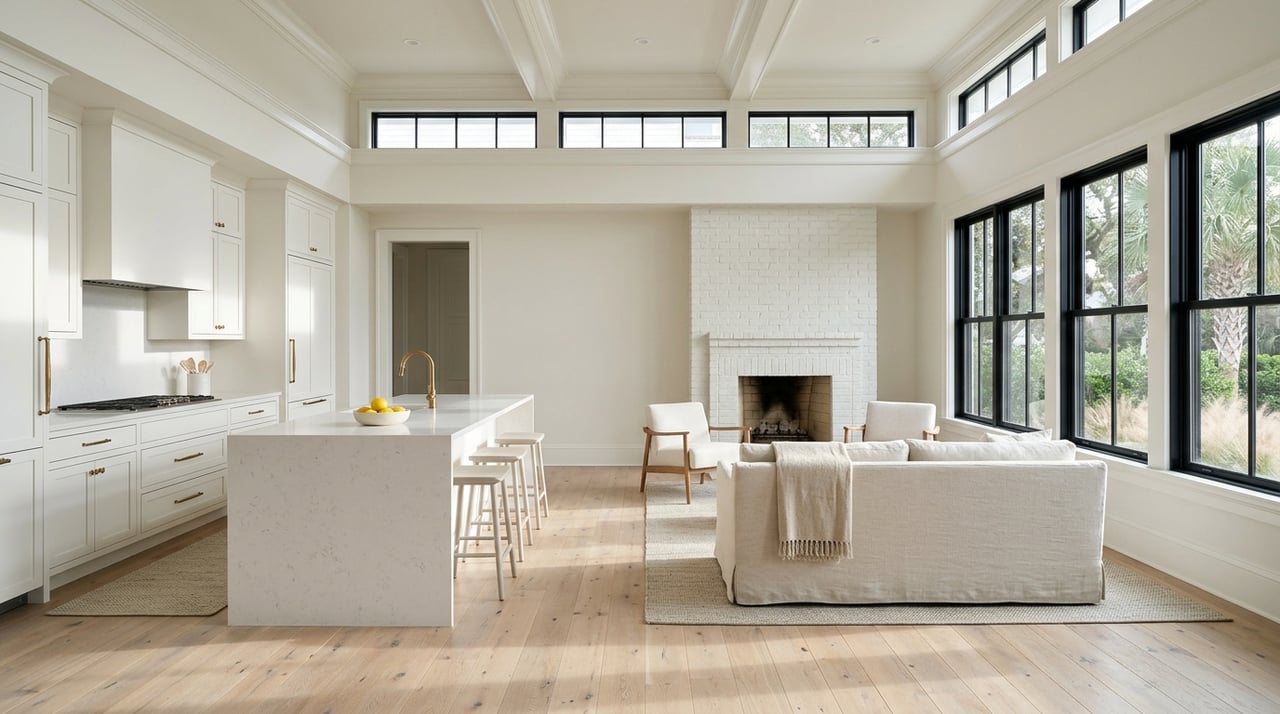
Isle of Palms Second Home Questions for Lifestyle & ROI
April 2, 2026
April 2, 2026
Buying a second home on Isle of Palms sounds simple at first: you picture beach mornings, easy weekends, and a place your family can enjoy for years. But on a barrier island, lifestyle and investment decisions are closely connected. If you are weighing personal use, future rental income, carrying costs, and resale, this guide will help you ask the right questions before you buy. Let’s dive in.
Before you focus on finishes, views, or rental projections, define what you want the home to do for you. On Isle of Palms, the right property for occasional personal use may not be the right property for frequent rentals or value-add improvements.
A helpful starting point is to ask whether you want a true retreat, a part-time rental property, or a home that must do both well. That distinction matters because the island’s flood, licensing, occupancy, and maintenance rules can shape how hands-on ownership becomes.
According to the City of Isle of Palms, the island has a large second-home and investment presence. In its December 2025 compiled report, the city noted 4,549 total dwellings, 1,718 short-term rental licenses, and a 63% share of dwellings in the 6% investment-property tax class versus 37% primary residences. That tells you second-home ownership is well established, but it also suggests you should buy with a clear strategy rather than assumptions alone.
A second home should be easy to enjoy, not just attractive on paper. Isle of Palms offers the classic coastal setting many buyers want, but the lifestyle comes with rules and practical considerations that affect how you use the property.
The city regulates beach activity in ways that may shape your routines and guest expectations. According to the City of Isle of Palms beach rules, glass, alcohol, smoking, vaping, and motorized vehicles are prohibited on the beach.
The city also notes that electric bikes and skateboards are not allowed on the beach between Memorial Day and Labor Day. Dogs are allowed, but leash, rabies vaccination, and tag requirements apply. If you plan to share the home with guests or renters, these are important rules to understand up front.
If your second home will sit vacant for stretches of time, day-to-day livability includes what happens when you are not there. For absentee owners, the Isle of Palms Police Department patrol request program allows owners to request extra patrols while away, and the city says requests are processed within twelve hours.
That can make the island more workable for seasonal ownership, but it does not remove the need for a good vacancy plan. You still want to think through alarms, trusted local contacts, storm prep, and regular upkeep when the property is empty.
On Isle of Palms, flood exposure is not a side issue. It is one of the most important factors in how you evaluate a second home, especially if you may renovate, hold long term, or rent the property.
The city states that most Isle of Palms properties are in or very near a flood plain. It also notes that standard homeowner policies do not cover flood damage, so separate flood insurance is required. You can review that guidance on the city’s flood information page.
There is also a timing issue many buyers miss. The city says flood insurance has a 30-day waiting period before coverage takes effect, which means this is something to plan early, not after closing.
When you compare properties, elevation may matter as much as the home itself. The city’s flood damage prevention guidance explains that new construction and substantial improvements must meet current flood-zone standards based on FEMA flood insurance rate maps.
The same guidance notes that in VE zones, plans typically need architect or engineer stamps, and in AE zones, architect review may be required. For buyers, this means a remodel, addition, or major repair project can become more complex depending on the property’s flood zone.
If you are buying with plans to update the property, this is especially important. The city states that a substantial-improvement review is triggered when proposed repairs, renovations, alterations, or additions exceed 50% of the structure’s appraised or assessed value, excluding the lot.
That rule can affect budgets, timelines, and design options. In practice, it means you should evaluate not only what you want to change, but also what the property will allow under current standards.
A beachfront address can be compelling, but it may also come with more site-specific oversight. In 2024, the city issued an emergency erosion-control ordinance update for certain beachfront properties, including engineered design and owner-maintenance conditions.
That does not mean every beachfront property carries the same burden. It does mean shoreline management should be part of your review if you are considering an oceanfront or highly exposed parcel.
For some buyers, that is a reasonable tradeoff for direct beach access and views. For others, a home one or two rows back may better fit the balance of enjoyment, maintenance, and long-term ownership cost.
Many second-home buyers like the idea of offsetting costs through short-term rentals. On Isle of Palms, that can be viable, but it is not passive. The city’s framework is detailed, and the rules are important to understand before you buy.
The city’s rental license requirements include a rental revenue affidavit, end-of-year revenue statements from property managers or booking platforms, and a 24/7 owner or representative phone number. The owner’s representative must also be able to be on site within one hour.
The city also requires a posted notice in the unit. For single-family rental units, the home must be offered in its entirety rather than as private or shared rooms.
Rental performance is not just about bedroom count. It is also about whether the home fits within local occupancy and parking rules in a way that makes the rental model workable.
According to the city, the typical maximum overnight occupancy is two people per bedroom plus two, up to 12 total, excluding children under age two. At any time, occupancy may not exceed twice the overnight occupancy or 40 people, whichever is less. The city also says owners may buy up to four portable parking permits per calendar year at $15 each when off-street parking is insufficient.
For buyers, this means driveway configuration, legal bedroom count, and layout can directly influence how practical a property is for guest use. A beautiful home that lacks parking flexibility may not perform the way you expect.
The city can enforce these rules. Its rental page says violations can bring fines of up to $500 and-or 30 days in jail, and the city may revoke a license after five or more founded complaints of unlawful activity in a single calendar year.
That makes compliance part of the ownership model. If you want rental income, you should also be comfortable with active oversight, responsive management, and clear guest communication.
A second home on Isle of Palms should be evaluated like both a lifestyle purchase and a financial asset. That means looking beyond the purchase price to taxes, insurance, fees, and operational demands.
For rentals of 30 days or less, the city lists a 14% combined tax stack. It also states that the owner remains responsible for proper payment even if an agent collects and remits the taxes.
The rental license fee is based on prior-year gross income, with a stated fee of $450 for the first $2,000 earned plus $4.60 for each additional $1,000, due by April 30. Those costs matter when you model whether rental income truly offsets ownership expenses.
Unless the home qualifies as the owner’s primary legal residence, the city says it is assessed at 6% of fair market value for property-tax purposes. The city also notes that furnishings and other personal property used to furnish rental units are taxable and must be reported annually between January 1 and April 30.
For many second-home buyers, this is one of the clearest reminders that a coastal purchase is both emotional and analytical. You want to understand how the property will feel to own, but also what it will cost to operate.
Even if you plan to hold the property for years, resale should still be part of your buying criteria. On Isle of Palms, future appeal is likely tied to the same fundamentals that affect ownership today.
The city and local rules suggest that location, elevation, parking, rental usability, compliance burden, and renovation flexibility are practical filters for long-term value. A home with strong personal appeal but weak functionality may have a narrower buyer pool later.
Current market snapshots also point to a high-value environment. Zillow reports an average Isle of Palms home value of $1,586,373, up 2.0% year over year, with 109 homes for sale and a median list price of $2,088,333 as of February 28, 2026. Even in a premium market, though, not all properties offer the same ownership profile.
If you are seriously considering a second home on Isle of Palms, these are the questions worth asking early:
The best second-home decisions usually come from matching the property to your ownership style, not chasing a single headline feature. On Isle of Palms, that often means balancing lifestyle ease with operational reality.
If you want help comparing properties through both a coastal-lifestyle and investment lens, Hayley Smith can help you build a smart buying strategy around how you actually plan to use the home.
Stay up to date on the latest real estate trends.
Discover how Hayley Smith can guide you through every step of buying or selling your home. Let’s achieve your real estate goals together with expertise and care.